Sean Doe Butler: Midwest Roots, Coast-to-Coast Sound, and the Mind of a Hip-Hop Architect
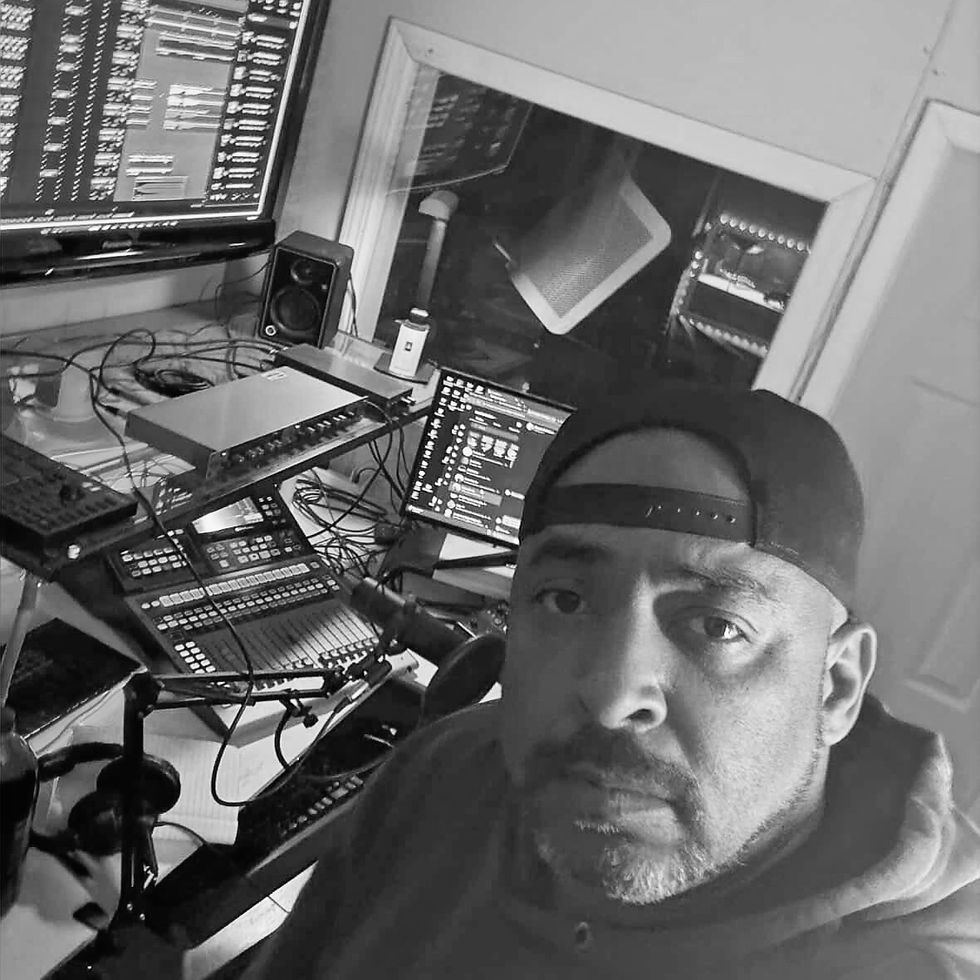
Sean Doe Butler, the identity of his music isn’t tied to one coast, one style, or one moment in hip-hop history. It’s the result of a life that moved through every corner of the culture.
Born in Mansfield, Butler grew up absorbing music from every direction. East Coast lyricism, West Coast rhythm, Southern flavor — all of it found its way into his approach.
The result?
A delivery that refuses to stay in one lane.
Flows shift mid-verse. Tempos change without warning. A lyrical breakdown might suddenly turn melodic before snapping right back into punchlines.
That versatility isn’t a gimmick.
It’s a reflection of the life that shaped him.
Growing Up Overnight
Sean Doe Butler didn’t get the luxury of a slow childhood.
At just nine years old, everything changed.
After his stepfather attempted to kill his mother, the man was sent to prison. In the aftermath, Butler found himself stepping into a role most kids can’t even imagine.
He became the protector.
The man of the house.
That responsibility forced him to mature far earlier than most people around him.
The experience would eventually make its way into his music — particularly a record called “Better Days,” set to appear on his upcoming Jaded album.
But long before the studio, the streets had already introduced him to the real world.
By the time he was 13 years old, Butler stood 6’5” with a full goatee, often running with adults who didn’t even realize how young he actually was.
Life had accelerated quickly.
And music soon followed.
A Club Record in the Late 90s
Butler’s early breakthrough came during the late 1990s.
After releasing a demo titled “Last Call for Alcohol” in Columbus, something unexpected happened.
The record started popping up inside local clubs.
People weren’t just listening.
They were asking what was coming next.
For an independent artist in the late ‘90s, that kind of organic traction meant something real was happening.
Not long after, Butler landed a deal with an independent label based out of Texas.
The momentum looked promising.
But the business side of music had other plans.
Two Albums… Never Released
After signing his first deal in 1999, Butler recorded two full studio albums.
Neither one ever saw the light of day.
They were shelved by the label.
For many artists, that kind of setback becomes a career ending moment.
For Butler, it became motivation.
By 2005, he was free from the deal and immediately took control of his own direction by launching COG Entertainment, an independent label that would become the foundation of his next chapter.
His Welcome Home album marked the first release under the new banner.
Ownership mattered.
And he intended to build something bigger than just his own catalog.
When Life Hit Hardest
The most difficult moment in Sean Doe Butler’s life didn’t come from the music industry.
It came from life itself.
In the same year he lost his mother to cancer, the mother of his children left.
Suddenly he was a single father raising three kids — without the woman who had always been his anchor.
The decision he made next surprised people around him.
He paused his music career.
Not because he had to.
But because he chose to.
While some in his family criticized the decision, Butler saw it differently.
Dragging children across the country while chasing stages wasn’t the life he wanted for them.
So he focused on fatherhood first.
Music could wait.
Never Fully Gone
Even during that pause, Sean Doe Butler never disconnected from the craft.
Instead of recording, he dove deeper into the technical side of music.
Engineering.
Producing.
Understanding the machinery behind the art.
The studio became a laboratory where he refined skills most artists never take the time to learn.
So when he eventually stepped fully back into recording, he returned with something many artists lack:
complete creative control.
Refusing to Be Boxed In
Ask listeners where Sean Doe Butler’s sound belongs and you’ll hear different answers.
Some swear he sounds West Coast.
Others hear East Coast lyricism.
Certain records lean Southern.
That confusion doesn’t bother him.
In fact, it proves his point.
He’s a Midwest artist whose sound was built from the entire culture.
And that versatility often leads to misunderstandings.
People hear one song and assume they understand the artist.
Then the next track flips the entire perception.
That unpredictability is intentional.
The Song That Felt Like Destiny
One record in Butler’s catalog stands out as something deeper than coincidence.
The song “Legendary.”
According to Butler, the track came together in a way that felt almost divine.
He had been sitting on a verse from J. Cole for nearly a year, rewriting his own contributions repeatedly while searching for the right direction.
When he finally received another verse for the record, something strange happened.
The verse landed in the exact same key, matching BPM, and carried the same thematic direction.
Two completely separate creative processes had somehow aligned perfectly.
To Butler, it wasn’t luck.
It was timing.
A Catalog Waiting to Drop
Right now, Sean Doe Butler is sitting on a vault most artists would envy.
More than 160 songs are already recorded.
What comes next isn’t just a release.
It’s a plan.
Five separate albums.
Each one telling a different part of a larger story.
The rollout begins with singles designed to introduce listeners to Butler’s label ecosystem — including artists connected to COG Entertainment.
One of those singles, “Legendary,” is currently leading the charge as he rebuilds his digital presence across social platforms.
Ironically, the record itself won’t appear until the final album in the five-project series.
The blueprint is already mapped out.
A Mission Bigger Than Music
Sean Doe Butler doesn’t see his role in hip-hop as just another artist chasing streams.
His ambition is larger than that.
COG Entertainment isn’t just a label.
It’s expanding into artist management, a radio station, and a broader creative network.
The long-term goal?
Influence the direction of the culture itself.
When asked where he sees himself five years from now, Butler doesn’t hesitate.
He says it half jokingly.
Half serious.
“I plan to be the CEO of hip hop… hold my beer.”
But behind the humor is a real vision.
One rooted in independence, ownership, and the belief that hip-hop isn’t something you age out of.
It’s something you grow within.
The Fire That Drives Him
Sean Doe Butler describes himself in one unexpected way.
Petty.
Not in the small, internet-argument sense.
But in the sense that injustice bothers him deeply.
When he sees something unfair, he says it pushes him to expose it.
To challenge it.
To dismantle it if necessary.
That rebellious streak has fueled some of the biggest accomplishments in his life.
Not as a hero.
But more like a vigilante inside the culture.
What Comes Next
For Butler, success isn’t measured only by his own career.
It’s about the future he builds for his family.
And the space he creates for artists around him.
The music is coming.
The albums are already prepared.
The label infrastructure is growing.
And the story he’s building is only beginning to unfold.
As he puts it simply:
“Buckle up.”
Follow Sean Doe Butler
Official Linkshttps://linktr.ee/SeanDoeButler
About WHOZFIRE
WHOZFIRE is a live music discovery platform highlighting the best independent hip-hop and R&B artists from around the world. Through live music reviews, artist features, and tournament-style competitions, WHOZFIRE connects rising artists with new fans and industry opportunities.
Artists can submit music for review or compete in upcoming tournaments at👉 https://whozfire.com


Comments